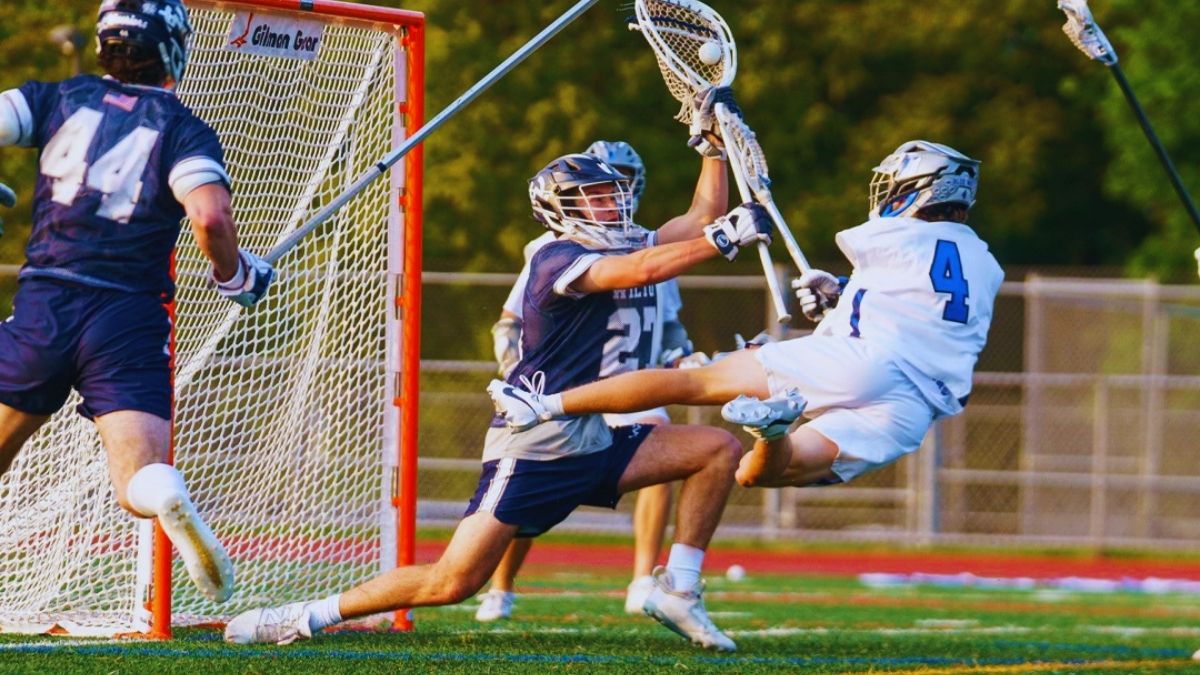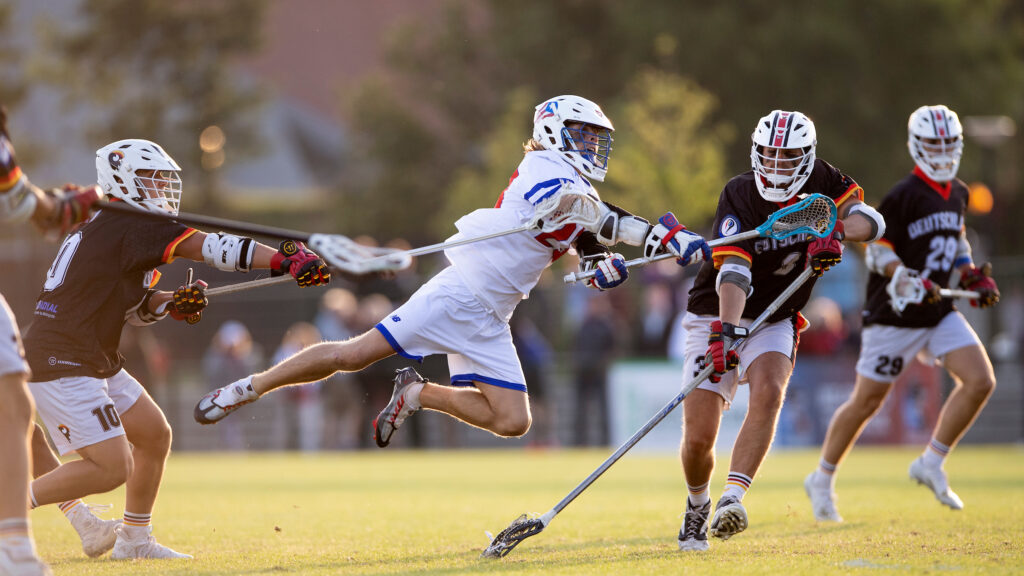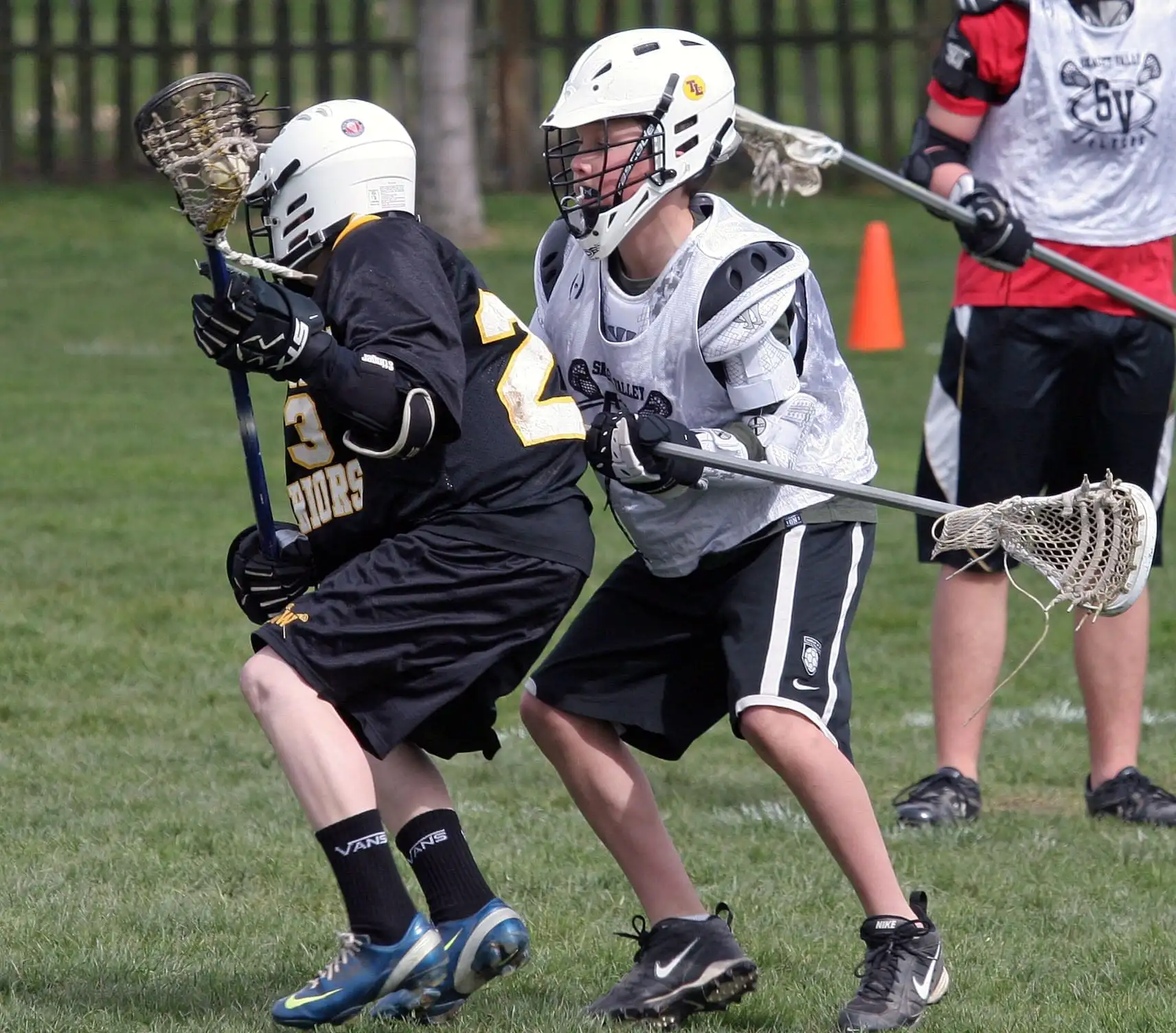
A young player can look sharp in warmups, then freeze the moment a defender steps into their gloves. The pass gets rushed. The cradle gets stiff. The shot sails wide. It is not always a talent problem. Most of the time, it is a practice problem.
The best Lacrosse drills do more than keep players busy. They teach players how to move, think, react, and recover when the game gets messy. A good drill builds a habit. A great drill makes that habit show up when legs are tired and the scoreboard feels loud.
That matters more than ever because lacrosse is growing beyond its traditional pockets. World Lacrosse currently lists 97 members across four continental federations, which shows how far the game has spread and why better coaching, safer training, and smarter player development matter at every level.
Key Takeaways
- Beginners should master cradling, catching, passing, ground balls, and wall ball before chasing flashy moves.
- Advanced players need pressure, pace, decision-making, and game-like consequences.
- Coaches should build practices around skill progression, not random activity.
- Consistency, safety, and proper form matter more than cramming in too many drills.
Why the Right Lacrosse Drills Change Everything
Good practice is not just repetition. It is repetition with a reason.
A player who throws against a wall for ten minutes with sloppy footwork may get sweaty, but that does not mean the player got better. A player who works on catching across the body, moving the feet, snapping the wrists, and recovering into a ready position is building real lacrosse stick skills.
That is why John Wooden’s famous line fits so well here: “Don’t mistake activity with achievement.”
In lacrosse, activity looks like long lines, random shooting, and players standing around while one teammate gets a rep. Achievement looks like every player touching the ball, moving with purpose, correcting small mistakes, and finishing each drill with a clear takeaway.
USA Lacrosse’s coach resources also reinforce that strong coaching is built around age-appropriate development, practice planning, safety, and choosing proper drills for effective practices.
What Should Beginners Practice First?
Beginner lacrosse drills should focus on control before speed. The player’s stick should start to feel like part of the body, not a tool being fought every step of the way.
A simple beginner foundation looks like this:
- Hold the stick in the fingers, not buried in the palm.
- Keep the hands relaxed enough to move smoothly.
- Practice catching, cradling, passing, and scooping before complex dodges.
- Add movement only after the basic motion looks clean.
- Finish every rep in a ready position.
The “ready” position is one of the most useful habits a beginner can learn. The stick sits up near the shoulder, the eyes are forward, and the body is prepared to pass, fake, shoot, or dodge. It is simple, but it makes young players look calmer almost immediately.
Drill 1: Soft Hands Partner Passing
This is one of the easiest lacrosse passing drills to set up, and it fixes a common beginner mistake: stabbing at the ball.
Players stand a comfortable distance apart. Each pass should be caught softly, brought near the shoulder, then passed back with a smooth follow-through. Coaches can cue “quiet catch, quick reset.”
Coaching cues:
- Catch with give, not panic.
- Point the front shoulder toward the target.
- Snap the wrists on the pass.
- Follow through toward the teammate’s stick.
For younger players, shorten the distance. For high school players, add movement, weak-hand reps, or a defender applying light pressure.
Drill 2: Ground Ball Scoop and Escape
Ground balls decide possessions. Beginners often bend at the waist, stop their feet, and scoop like they are picking up laundry. That usually ends badly.
Set balls in a line. Players sprint through the ball, get low, scoop with two hands, then escape left or right.
Simple cue: “Run through it, scoop low, protect high.”
This drill teaches athletic development, balance, and confidence in traffic. It also works for youth lacrosse drills because the setup is easy and the lesson is obvious.
How Can Players Improve Stick Skills Faster?
Wall ball drills are still the closest thing lacrosse has to a cheat code, but only when players do them with attention.
The wall gives instant feedback. A bad pass comes back ugly. A lazy catch drops. A rushed release misses the target. Players learn quickly because the wall does not negotiate.
Drill 3: Wall Ball Ladder
Start close enough to complete clean reps. The goal is not to prove toughness. The goal is clean rhythm.
Use this ladder:
- Strong-hand pass and catch
- Weak-hand pass and catch
- Catch right, switch, throw left
- Catch left, switch, throw right
- Quick-stick reps without cradling
- One-step passing with feet moving
This is one of the best at-home lacrosse drills because players need only a stick, a ball, a safe wall, and enough space. Parents should make sure the area is appropriate and that players wear protective gear when needed.
A related internal resource such as Shoot harder in lacrosse could fit naturally here because power starts with mechanics, not just muscle.
Best Lacrosse Drills by Skill Area
Around the middle of practice, coaches need structure. This table helps match the drill to the goal instead of guessing.
Drill | Best For | Simple Cue | Common Mistake |
Partner passing | Catching, accuracy, rhythm | “Soft hands, eyes up” | Catching stiff or flat-footed |
Wall ball ladder | Stick handling and weak hand | “Move feet after every catch” | Standing still for every rep |
Ground ball escape | Possession and toughness | “Scoop through, protect out” | Stopping before the ball |
Running shots | Shooting on the move | “Hands free, hips through” | Shooting with only the arms |
Zigzag defense | Footwork and angles | “Hips low, stick active” | Crossing feet or lunging |
Mirror dodge | Dodging and stick protection | “Sell the move, protect the stick” | Exposing the stick across the body |
W-cone footwork | Speed and agility | “Plant, push, recover” | Drifting around cones |
What Are the Best Shooting Drills for Lacrosse Players?
Lacrosse shooting drills should teach players to shoot under control, not just fire balls at the cage.
Most young players want power first. Coaches usually have to pull them back toward balance, hand position, hip rotation, and shot selection. Biomechanics matter here. A player who uses the lower body, trunk, hands, and follow-through together will usually shoot cleaner than a player who just swings hard.
Drill 4: Catch, Set, Shoot
A feeder stands to the side. The shooter catches, gets the hands free, sets the feet, and shoots to a specific corner.
Start slow. Then add pace. Then add a defender.
Progression:
- Beginner: catch and shoot from one spot.
- Intermediate: catch while moving toward the cage.
- Advanced: catch under pressure, change angle, shoot around a screen.
A helpful internal link could be lacrosse shooting drills, especially if the page explains how to build accuracy before power.
Drill 5: Running Shots
Place cones at different angles around the offensive area. Players start with a ball, sprint toward the cage, and shoot with the outside hand.
This drill teaches balance at speed. It is excellent for midfielders because it connects conditioning, footwork, and shooting mechanics in one rep.
Coach’s eye: If the player fades away from the cage, slow the drill down. Bad body position at high speed only trains bad habits faster.
How Do Advanced Players Train Differently?
Advanced lacrosse drills should feel closer to the game. That means more reads, fewer perfect setups, and more pressure.
A strong advanced drill usually includes three ingredients:
- A decision to make
- A defender or time limit
- A consequence for poor execution
Drill 6: Mirror Dodge Drill
Two players move toward each other, then perform a face dodge, split dodge, or toe drag while protecting the stick. The focus is not just the move. The focus is selling the move, keeping the hands safe, and returning to the ready position.
This builds dodging confidence and reaction-based training. The face dodge teaches stick protection. The split dodge teaches hand switching. The toe drag adds creativity, but it should only come after players can protect the stick well.
Drill 7: Two-Pass Advantage
Set up three offensive players against two defenders. The offense must complete two passes before shooting. Defenders communicate, slide, and recover.
This drill improves lacrosse offensive drills and lacrosse defensive drills at the same time. It teaches spacing, timing, and patience. It also shows players that the best shot is not always the first shot.
NCAA-level players separate themselves through decision speed as much as raw skill. Coaches like Bill Tierney and John Danowski have long been associated with disciplined team systems, which is a useful reminder for young athletes: great players still fit into a team concept.
What About Defense, Footwork, and Agility?
Defensive drills should not turn into stick-swinging contests. Good defense starts with feet, hips, angles, and patience.
Drill 8: Zigzag Defensive Footwork
Set cones in a zigzag. Players move from cone to cone while keeping their hips low and stick in front. The goal is to change direction without crossing the feet or standing tall.
This is one of the cleanest lacrosse footwork drills for beginners and high school players. It also supports mobility training because players learn how to bend, plant, and recover safely.
Drill 9: W-Cone Speed and Agility
Set five cones in a W shape. Players sprint forward to one cone, backpedal or shuffle to the next, then repeat through the pattern.
This helps with speed and agility, especially for defenders and midfielders who need to change direction constantly. For advanced players, add a stick, then add a ball, then add a decision at the final cone.
Drill 10: Closeout and Recover
A coach points to a player or cone. The defender closes out under control, breaks down, then recovers back to the middle.
Do this, not that:
- Do close out with short, choppy steps.
- Do keep the stick active but controlled.
- Do stay balanced enough to react.
- Do not fly past the attacker.
- Do not lunge for a check.
- Do not let tired legs become lazy technique.
How Should Goalies Train?
Lacrosse goalie drills need reaction, footwork, courage, and clear eyes. A goalie does not need chaos every minute. The best goalie training often starts simple, then adds speed.
Drill 11: Goalie Wall Reaction
The goalie stands a safe distance from a wall and throws the ball so it rebounds at different heights and angles. Every rebound should be treated like a shot.
Key cues:
- Step toward the ball.
- Track it with the eyes.
- Move the top hand quickly.
- Reset after every catch.
This drill supports reaction time and hand-eye coordination. It also works well when field space is limited.
Drill 12: Step-Save Ladder
A coach or teammate points left, right, high, or low. The goalie steps, presents the stick, and resets. Add balls only after the movement pattern looks clean.
Goalies are often the emotional heartbeat of a team. Their practice should include technical work, confidence, and recovery training, not just being used as targets during shooting lines.
A Simple Practice Framework: Warm, Build, Pressure, Recover
The easiest way to avoid messy practices is to use a repeatable framework.
Warm: Start with dynamic movement, stick touches, and light passing.
Build: Teach or review one core skill, such as ground balls, wall ball, dodging, or shooting.
Pressure: Add defenders, time limits, smaller spaces, or decision-making.
Recover: Cool down, hydrate, review one lesson, and keep players healthy for the next session.
This framework works for beginner lacrosse drills and advanced lacrosse training drills because the coach can adjust the difficulty without changing the whole practice.
A Familiar Scenario: The Player Who Practices but Does Not Improve
Picture a high school midfielder who spends thirty minutes shooting after practice. The player works hard, sweats through the shirt, and leaves tired. But most shots are taken from the same spot, with no footwork, no defender, and no target.
After a few weeks, the player feels frustrated. The effort is there. The progress is not.
The fix is not always “practice more.” Sometimes it is “practice better.”
A smarter routine might look like this:
- Five minutes of wall ball with both hands
- Five minutes of ground balls into an escape
- Ten minutes of shooting on the run
- Five minutes of dodging into a pass or shot
- Five minutes of conditioning with clean form
That is a lacrosse training routine with purpose. It touches stick control, movement, shooting, decision-making, and endurance conditioning without wasting time.
Common Mistakes Players and Coaches Should Avoid
The biggest mistake is moving to advanced drills before the basics are stable. Flashy dodges look great in clips, but they fall apart if the player cannot catch, pass, or protect the stick.
Other common mistakes include:
- Letting players stand in long lines.
- Using conditioning as punishment.
- Ignoring the weak hand.
- Running drills with no clear coaching cue.
- Treating every age group the same.
- Forgetting safety, rest, hydration, and protective equipment.
Girls’ and boys’ lacrosse rules may differ, so coaches should adapt contact, spacing, checking, and equipment expectations to the version of the game being played. Younger athletes also need supervision and age-appropriate workloads.
How Often Should Players Practice Lacrosse Drills?
Most players improve faster with short, consistent practice than with occasional marathon sessions. Ten focused minutes of wall ball can beat forty sloppy minutes of random shooting.
A balanced week might include stick work, shooting, conditioning, mobility, and rest. Youth players should keep it fun. High school and club players can add more intensity, but proper form still comes first.
Athletes who admire players like Paul Rabil or Lyle Thompson should notice the deeper lesson behind their highlight plays: creativity sits on top of fundamentals. The magic looks spontaneous, but the base is built through thousands of clean, boring, valuable reps.
Conclusion: Train the Habit, Not Just the Highlight
The best lacrosse drills help players carry calm into pressure. Beginners need simple reps that build touch, balance, and confidence. Advanced players need pace, contact, reads, and consequences. Coaches need a practice plan that respects both safety and growth.
The goal is not to run every drill in the book. The goal is to choose the right drill for the right player at the right time.
For lacrosse-inspired apparel, custom gear, accessories, and athlete-focused style, visit Subzero Lacrosse Company. Phone: [add official phone number]. Email: [add official email].
FAQ
What are the best lacrosse drills for beginners?
The best lacrosse drills for beginners are partner passing, wall ball, ground ball scoops, soft cradling, and basic footwork drills. These build control before speed.
How can players improve lacrosse stick skills?
Players can improve lacrosse stick skills with daily wall ball, weak-hand passing, catching across the body, and cradling while moving their feet.
What are easy lacrosse drills for kids?
Easy lacrosse drills for kids include scoop-and-run ground balls, partner catch, cone cradling, and short-distance wall ball with light coaching cues.
What lacrosse drills can players do at home?
At-home lacrosse drills include wall ball, stationary cradling, footwork ladders, mirror dodges without contact, and target passing against a safe wall.
What are the best wall ball drills for lacrosse?
The best wall ball drills for lacrosse include strong-hand reps, weak-hand reps, quick sticks, catch-switch-throw, and moving-feet wall ball.
Which lacrosse drills help with speed and agility?
Zigzag footwork, W-cone drills, closeout-and-recover drills, and short shuttle runs help players build speed and agility for game movement.
How can someone become better at lacrosse fast?
Players improve faster by practicing both hands, fixing basic mechanics, training consistently, and choosing drills that connect to real game situations.
What are good lacrosse conditioning drills for midfielders?
Running shots, transition sprints, W-cone footwork, shuttle runs, and small-sided games are strong conditioning options for midfielders.
What should a beginner lacrosse practice plan include?
A beginner plan should include warmups, stick work, ground balls, passing, shooting basics, light conditioning, and a short cool-down review.
What should players look for in lacrosse training programs?
Good programs should teach fundamentals, safety, progression, position-specific skills, and game IQ instead of rushing players into advanced work too early.